The honest answer: there is no bad time. But there is a right time for you, and it depends entirely on what you want out of the trip. Every season in Whitefish delivers a fundamentally different experience, and picking the wrong one for your priorities can mean missing the best version of this place.
This is part of our Plan Your Trip to Whitefish guide series. Here, we break down every season so you can book with confidence.
Summer (June Through August): The Headliner
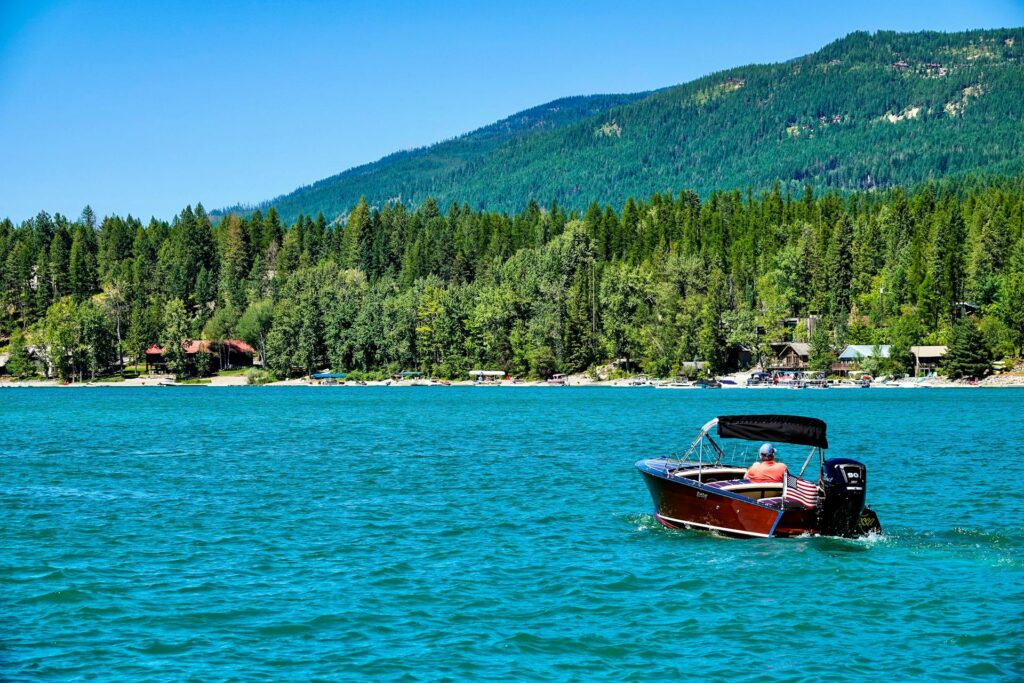
Summer is when Whitefish becomes what most people picture when they think of Montana. Blue sky days in the 75-85F range. Long evenings where the sun does not set until after 9pm. Glacier National Park fully accessible. Downtown sidewalks packed with people eating outside, kids running around, and live music drifting from bar patios.
What Opens Up
- Glacier National Park and Going-to-the-Sun Road (typically late June through mid-October)
- Whitefish Lake for swimming, kayaking, paddleboarding, and boat rentals
- Flathead Lake beaches and cherry orchards (cherries peak in July)
- Whitefish Mountain Resort bike park and scenic lift rides
- Farmers market every Tuesday evening downtown
- Full restaurant and bar scene with outdoor seating everywhere
The Trade-Offs
Crowds. July and August are peak season and it shows. Glacier requires vehicle reservations for Going-to-the-Sun Road between 6am and 3pm. The best restaurants need reservations 2-3 days out. Lodging prices are at their annual high. If you are someone who values solitude and empty trails, summer is not your season.
Wildfire smoke is the other variable. In recent years, August and sometimes late July have brought haze from regional fires. Some years are clear, others are not. You cannot predict this when booking. It rarely ruins a trip but it can soften mountain views and make sensitive lungs uncomfortable.
Best For
Families. First-timers who want the full Glacier experience. Groups who want the buzzing downtown scene. Anyone who needs warm weather and long days.
Winter (December Through March): The Locals’ Season
Whitefish Mountain Resort is the reason to come, and it is one of the most underrated ski mountains in the country. 3,000 acres, 300+ inches of annual snowfall, and a vibe that feels like what Colorado ski towns were 20 years ago. No $250 lift tickets. No hourlong lift lines. Just good snow and a mountain that has not been overrun yet. See our full Ski Whitefish guide for the deep dive.
What Opens Up
- Whitefish Mountain Resort skiing and snowboarding (typically early December through early April)
- Cross-country skiing at the Whitefish Trail and Glacier Nordic Center
- Dog sledding and snowmobiling tours in the surrounding areas
- Whitefish Winter Carnival in February (a Whitefish institution since 1960)
- Cozy restaurant and bar scene that feels more intimate than summer
The Trade-Offs
Cold. Real cold. January and February regularly see single-digit mornings and occasional dips below zero. Short days (sunset around 4:30pm in December). Glacier National Park is largely closed and Going-to-the-Sun Road is not plowed. If you are not here to ski or embrace winter, this is not your window.
Holiday weeks (Christmas through New Year, MLK weekend, Presidents Day) bring higher prices and more visitors. Mid-January and mid-February weekdays are the sweet spot: good snow, empty mountain, lowest prices.
Best For
Skiers and snowboarders. Couples looking for a cozy mountain town trip. Anyone who likes winter and wants to experience it properly.
Fall (September Through October): The Best-Kept Secret
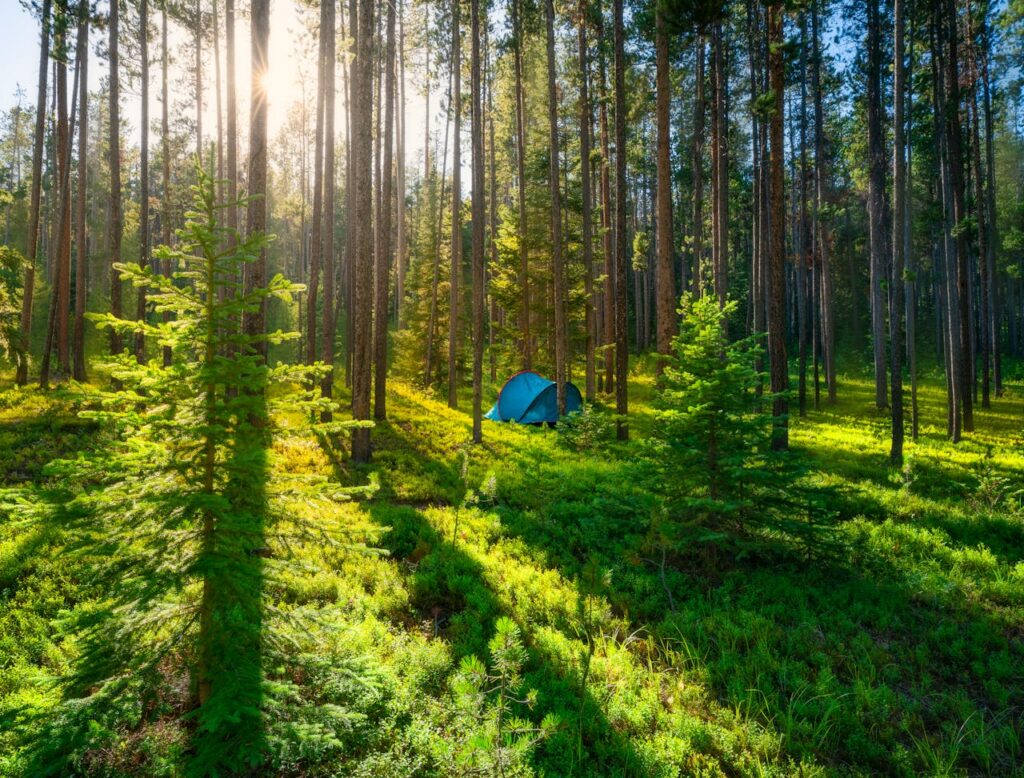
This is our favorite season and we will fight about it. Fall in Whitefish is staggeringly beautiful and almost nobody is here.
Late September through early October, the western larch trees turn bright gold across the mountainsides. Larch are one of the few deciduous conifers, and when they turn, entire mountain faces glow. It is unique to the Northern Rockies and it is worth the trip on its own.
What Opens Up
- Glacier National Park with a fraction of the summer crowds (Going-to-the-Sun Road usually open through mid-October)
- Larch season and fall color hiking (best late September through early October)
- Hunting season in the surrounding national forests
- Harvest events and Oktoberfest celebrations at local breweries
The Trade-Offs
Weather is unpredictable. September can be 70F and sunny or 35F with early snow. By mid-October, some seasonal businesses close. Restaurant hours may shorten. The lake is too cold for swimming. And once the larch drop their needles (usually mid-October), the visual spectacle is over for the year.
Best For
Photographers. Hikers who hate crowds. Budget travelers (lodging drops 30-40% from summer peaks). Couples wanting a quiet, romantic trip. Anyone who has already done the summer visit and wants a different Whitefish.
Budget Comparison
A vacation rental that costs $300/night in July often drops to $175-200/night in September. Restaurant reservations that require 3-day advance booking in summer are walk-in easy. Glacier has no vehicle reservation requirement after Labor Day. Fall is objectively the best value season.
Spring (April Through May): For the Adventurous
Spring is Whitefish in transition, and it is not for everyone. Ski season winds down in April (closing day is typically mid-April). Glacier is mostly closed. Snow is melting, trails are muddy, and the town is catching its breath between seasons.
What Opens Up
- Late-season skiing through mid-April (spring snow is soft and sunny)
- Early-season hiking on lower elevation trails as snow melts
- Fishing as rivers open up (spring runoff affects conditions, check locally)
- Cheapest lodging of the year
The Trade-Offs
Limited accessibility. Many higher-elevation trails are still snow-covered. Going-to-the-Sun Road is closed. Some restaurants operate on reduced hours or close entirely for a seasonal break. The town has a sleepy, between-seasons energy that some people love and others find underwhelming.
Best For
Locals and repeat visitors who know what to expect. Spring skiers chasing corn snow. Budget travelers who prioritize low prices over peak experiences. People who enjoy quiet, unhurried pace.
Our Recommendation
First-timers: Summer (late June through August). You get Glacier, the lake, the full downtown scene, and the quintessential Montana experience.
Skiers: January through February. Best snow, fewest people, best prices outside of holiday weeks.
Return visitors: September. You already know summer Whitefish. Fall Whitefish is a different, quieter, arguably better version.
Budget travelers: Late September or mid-January through mid-February (excluding holiday weekends).
No matter when you come, start with our Complete Trip Planning Guide to lock down lodging, transportation, and the details that make the difference between a good trip and a great one.