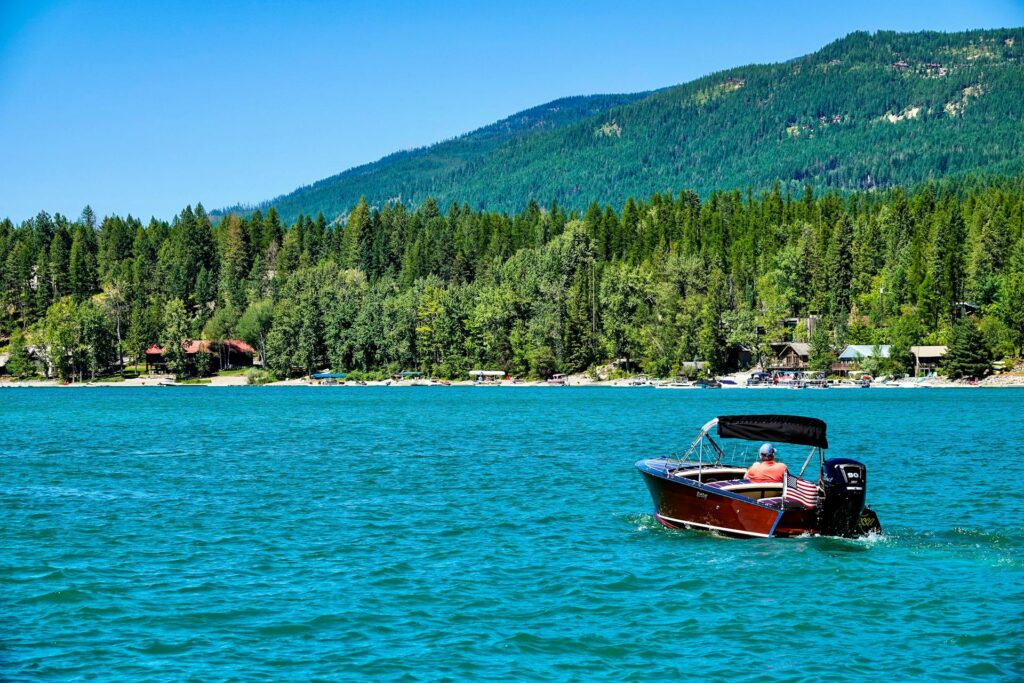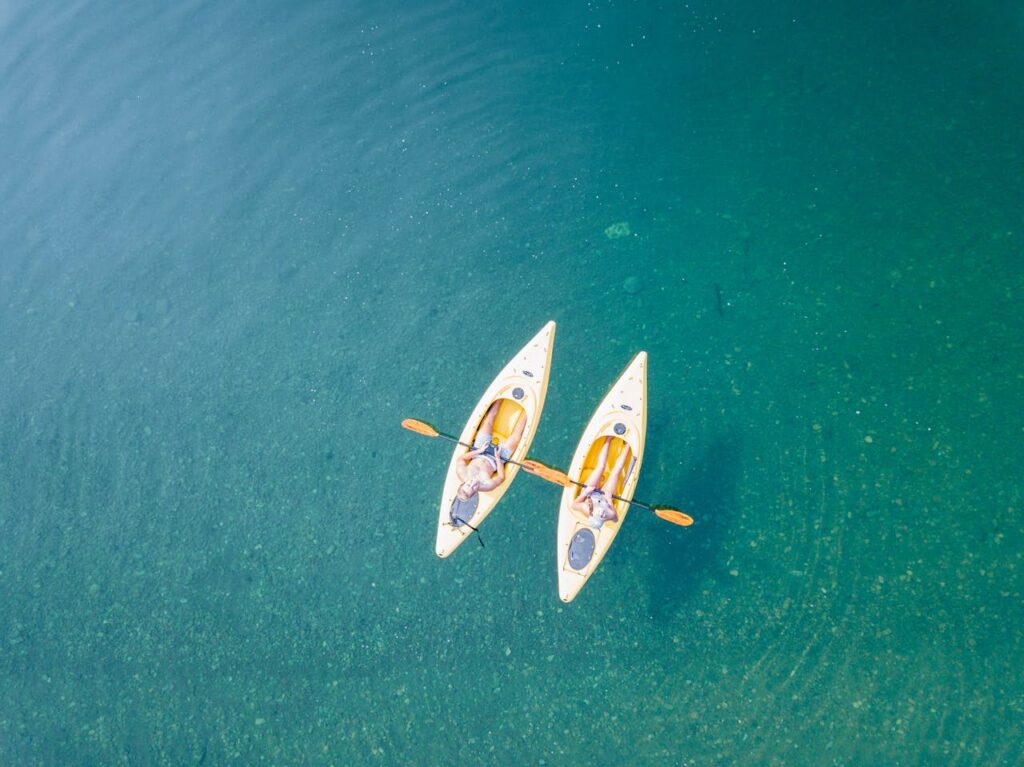
Whitefish Lake is the centerpiece of summer in Whitefish, Montana. This 8-mile-long glacial lake sits at 3,032 feet elevation, flanked by forested shores and views of the Mission Mountains. The water is clean, cold, and perfect for swimming, paddleboarding, and kayaking from late June through September. Boat rentals are available, beaches are free and accessible, and the lake supports both recreation and fishing.
I’ve spent countless mornings and evenings on Whitefish Lake over the past few years, testing water conditions, checking parking logistics, and finding the quietest spots to paddle. What follows is practical, earned knowledge about how to actually use this lake without wasting time finding launch points or overcrowded beaches.
Whitefish City Beach and Swimming
Location and Parking
Whitefish City Beach sits on the south shore of the lake, accessed via Beach Street in downtown Whitefish. The parking lot is large and free, with restrooms, picnic tables, and a sandy beach. On warm weekends, it fills by 10 a.m., especially in July and August. The lot has 150+ spaces, so plan to arrive early or visit on weekdays. Parking is first-come, first-served.
The beach is open daily from dawn to dusk in summer. No entrance fee. The facility is maintained by the City of Whitefish Parks and Recreation, with lifeguards typically on duty weekends from 12 to 6 p.m. in July and August. Lifeguards are not present on weekdays or in early June and September.
Water Temperature and Conditions
Whitefish Lake warms slowly due to its depth and elevation. In early June, water temps hover around 52-55 degrees Fahrenheit. By mid-July, surface temps reach the upper 60s. August is warmest, often 68-72 degrees. September cools back down to 62-65 degrees. Even in peak summer, this is a cold water swim requiring a wetsuit for extended periods or a commitment to quick immersion and brisk exit.
Most locals swim for 15-20 minutes, not for hours. Rip currents don’t exist on a freshwater lake, but sudden cold and depth can cause shock. The beach drops off gradually, making it safer for children, but the water stays cold throughout summer. Hypothermia is possible even in August if you stay in too long.
Beach Amenities and Timing
The beach has modern restrooms, a changing area, picnic tables, and grills. No lifeguard tower, but the proximity of downtown means help is minutes away. The beach faces south, so mornings are cooler and afternoons are warmer. The best time to swim is 2 to 4 p.m. on clear, warm days. Afternoon winds pick up, which is good for paddleboarders and bad for swimmers seeking flat water.
Swimming is permitted in designated areas near the beach; the entire lake is technically swimmable, but the beach area is managed and safest. The north shore (Les Mason State Park) offers quieter swimming with similar cold temperatures but fewer crowds.
Paddleboarding and Kayaking
Rental Options and Pricing
Whitefish Marina, located at the south end of the lake near City Beach, rents paddleboards, kayaks, and motorboats. Paddleboard rentals start at roughly $25-35 per hour or $60-80 for a full day. Kayak rentals are similarly priced. Peak demand is weekends in July and August. Online booking is available through their website. Rental hours typically run 9 a.m. to 6 p.m. in summer.
Several smaller outfitters also operate seasonal rentals from beach access points. Bring your own paddleboard or kayak if you have one; launching is free at City Beach and Les Mason State Park. Trailer launch access is available at a few designated spots for boats.
Paddling Routes and Best Practices
For paddleboarders and kayakers, the lake offers several appealing routes. The south shore paddle toward the Mission Mountains is scenic and relatively sheltered. The north shore route passes through quieter residential areas. Advanced paddlers can attempt the full lake circumnavigation, roughly 20+ miles, which takes a full day and requires solid fitness.
Most recreational paddlers stay in the southern half of the lake, within 1-2 miles of launch points. Water conditions are usually calm in early morning (before 10 a.m.) and become choppy in afternoon when wind picks up. Afternoon paddling is more challenging and less enjoyable. Go early.
Safety Considerations for Paddlers
The lake is cold enough that falling in is serious, especially if you’re far from shore. Wear a personal flotation device (PFD) at all times. Many rental shops provide them; bring your own if you prefer. The lake receives motorboat traffic, primarily in July and August. Paddle defensively; assume boat drivers won’t see you. Stay near shore or in designated paddling areas.
Weather changes quickly in mountain environments. Clear morning conditions can turn to afternoon thunderstorms by 2 or 3 p.m. Never paddle in afternoon weather uncertainty. Check the forecast, start early, and be off the water by 1 or 2 p.m. if storms are predicted. The lake is three miles wide at points; if you’re caught paddling across it in wind, it becomes genuinely dangerous.
Boat Rentals and Motorized Recreation
Marina Services
Whitefish Marina offers motorboat rentals including deck boats, ski boats, and pontoons. Prices range from $300 to $800+ per day depending on boat size and season. You need a valid ID and boating license or proof of safe boating course completion. Peak season pricing (July and August weekends) is higher than shoulder season rates.
Fuel is available at the marina. Oil and basic supplies are sold on-site. The marina operates a fuel dock for boaters who bring their own vessels. Average wait time for service is 15-30 minutes during busy periods.
Fishing on Whitefish Lake
The lake supports populations of lake trout, rainbow trout, and kokanee salmon. Fishing is decent, particularly for lake trout in cooler months (early summer and fall). Summer can be slower as trout retreat to deeper, cooler water. A Montana fishing license is required; licenses are available at local fly shops and sporting goods stores in downtown Whitefish.
The lake’s size means success depends on technique and location. Trolling deep is more productive than shore fishing in summer. Rental boats come with basic fishing gear; serious anglers bring their own rods.
Les Mason State Park
Day Use Access
Les Mason State Park sits on the north shore and offers a quieter alternative to City Beach. Day use is free; parking is available. The park has picnic areas, a small beach, and vault toilets. No lifeguards, so self-rescue is your responsibility. The beach is rockier and less developed than City Beach, but it draws fewer crowds.
The water conditions are identical to City Beach (same cold temperatures). Summer season runs roughly late May through September, with facilities maintained through mid-October. Water access is first-come, first-served. The park is 8 miles from downtown Whitefish, a 15-minute drive.
Camping and Overnight Options
Les Mason State Park does not offer overnight camping. The closest camping options are at private RV parks and Forest Service campgrounds in the Whitefish area. If you’re interested in lake camping, research nearby campgrounds as a separate trip component.
Swimming Season and Weather Patterns
Peak Swimming Period
Swimming is most enjoyable mid-July through mid-August when water temperatures reach the 65-72 degree range. This is also peak vacation season, so expect crowds at City Beach. Early June and September offer warmer air but colder water, creating shorter swim windows before cold becomes uncomfortable.
Clear skies and calm mornings are prerequisites for good conditions. Overcast days feel cold even when water is technically swimmable. Plan swimming for warm, sunny days with light morning wind.
Weather Risks and Afternoon Changes
Afternoon weather changes are the biggest factor in Whitefish lake days. Morning conditions can be nearly perfect (calm, warm, clear), and by 3 p.m., wind chop makes paddling unpleasant and swimming miserable. Afternoon thunderstorms are common in July and August, arriving rapidly without warning.
Plan your lake day from dawn to early afternoon. Get to the beach by 9 a.m., swim or paddle in the calm morning conditions, and be off the water by 2 p.m. This simple discipline transforms your experience. Afternoon arrivals almost always result in suboptimal conditions.
Whitefish Lake in Context
Compared to Other Montana Lakes
Whitefish Lake is one of Montana’s most accessible and developed mountain lakes. Glacier-fed lakes like Lake McDonald in Glacier National Park are larger and more dramatic but harder to access and colder. Flathead Lake, Montana’s largest, is warmer but 45 minutes south and less scenic. Whitefish Lake is the sweet spot: accessible, developed, scenic, and authentic without being overcrowded compared to resort destinations.
The lake’s position near Whitefish Mountain ski resort (winter operation) makes it a true year-round destination, though summer is when recreation peaks. Winter offers frozen surface photography and solitude, but water recreation is not feasible.
Practical Tips for a Great Day
Best Times to Visit
Weekdays in July and August offer the warmest water and fewer crowds than weekends. Early mornings (9 a.m. to noon) are uniformly better than afternoons. First week of June and last week of September offer pleasant air temperatures but water in the upper 50s to low 60s, limiting swim duration.
Avoid peak weekend days in July and August if you prefer solitude. Plan lake days for Tuesday through Friday. Morning visits pay dividends in every season.
What to Bring
Sunscreen is non-negotiable. Sun reflects off water and intensifies at elevation. Bring more than you think you’ll need. A towel, changing clothes, and a plastic bag for wet items are essential. If swimming, bring a swimsuit and consider a light wetsuit for June and September. Paddlers should bring a PFD, water, and snacks.
The beach and marina have limited food options. Pack lunch or plan to eat at nearby downtown restaurants within walking distance of City Beach. The beach itself has picnic tables, so packing a meal is feasible and often better than restaurant timing.
Overnight Stays Near the Lake
Whitefish has numerous hotels, Airbnb properties, and vacation rentals within 5-10 minutes of City Beach. Booking in advance is essential for peak season. [INTERNAL LINK: Where to Stay in Whitefish] provides detailed accommodation information. For direct lakefront access, private cabin rentals on the shore offer the best experience but command premium pricing.
Lake History and Ecology
Formation and Characteristics
Whitefish Lake was carved by glaciers during the last ice age, creating a 72-mile-long basin with depths exceeding 400 feet. The lake is fed by snowmelt and natural springs, maintaining clean, cold water year-round. The glacial origin accounts for the cold water and the scenic surrounding landscape.
The lake supports a healthy ecosystem of native fish species and waterfowl. Osprey and bald eagles are common sights, particularly in early morning. Avoid disturbing nesting areas, especially in spring and early summer.
FAQ Section
Q: Is Whitefish Lake really too cold to swim in summer?
A: Not too cold to swim, but cold enough that 20-30 minutes is typical. Peak warmth is late July and August when water reaches upper 60s to low 70s. Wetsuits extend your time. Cold water is part of the experience; most locals view it as refreshing, not prohibitive.
Q: Can I bring my own boat or paddleboard to Whitefish Lake?
A: Yes. Launch access is free at City Beach and Les Mason State Park. Bring your own kayak, paddleboard, or motorboat; launch and go. If you have a trailer boat, facilities accommodate them. Rentals are available if you don’t own equipment.
Q: When does the lake open for swimming and boating?
A: Swimming and paddling are possible from late May onward, but water temps in June are in the 50s. Prime season is mid-July through August. The lake doesn’t formally “open,” but facility hours and lifeguards reflect peak season mid-July through Labor Day.
Q: What’s the deepest part of Whitefish Lake?
A: The deepest section exceeds 400 feet and sits in the northern basin. Most swimming and paddling occurs in shallower southern sections. The lake is safe for recreational use throughout, but depth increases the further north you venture.
Q: Are there fish in Whitefish Lake? A: Yes. Lake trout, rainbow trout, and kokanee salmon are present. Spring and fall fishing is typically better than peak summer when trout retreat to deep, cool water. A Montana fishing license is required.
Final Thoughts
Whitefish Lake is the centerpiece of a Whitefish summer. The water is cold, which initially seems like a drawback, but it keeps the lake clean and the experience authentic. Sunrise paddles, morning swims, and afternoon boat rides are core Whitefish experiences. The lake is accessible, affordable, and genuinely beautiful.
Respect the cold water, start your day early to avoid afternoon wind and weather, and you’ll understand why Whitefish summers are memorable. The lake rewards early risers and punishes those who arrive midafternoon. Plan accordingly.