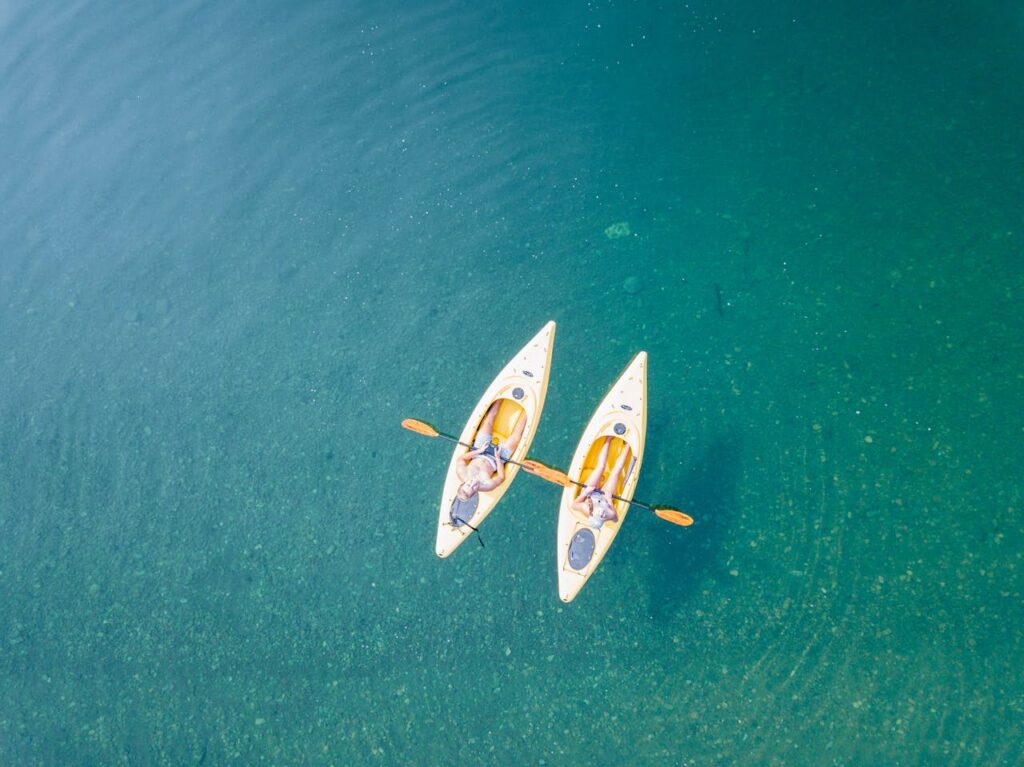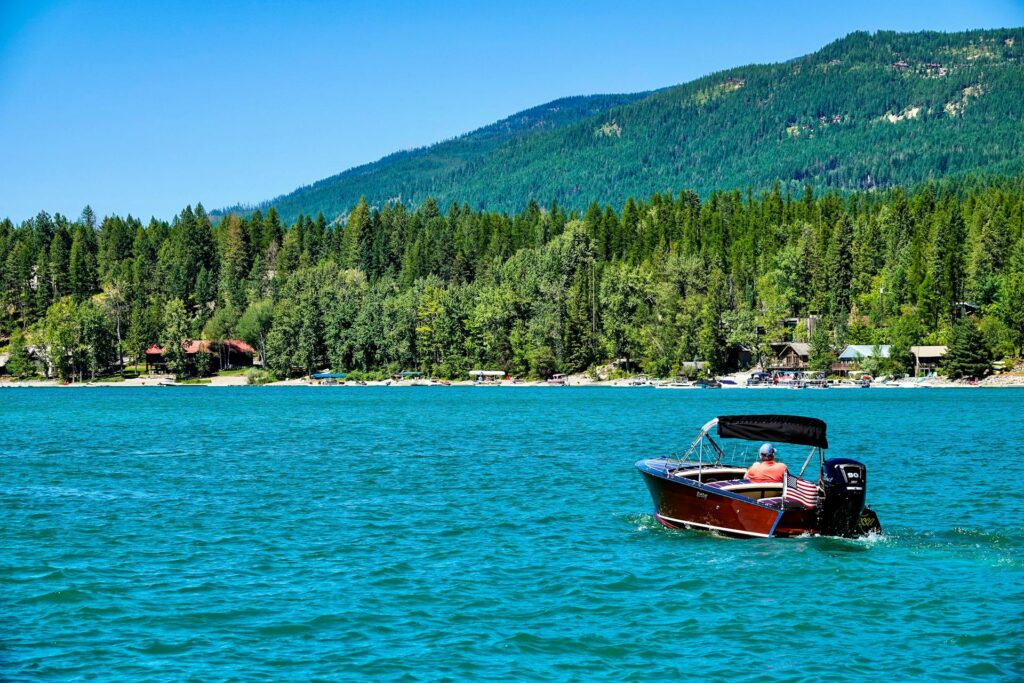
Whitefish, Montana is one of those towns that ruins you for other mountain destinations. We say that from experience. After enough visits, we bought property here, and now we split time between Kansas City and the Flathead Valley. This guide is everything we wish someone had handed us before that first trip.
What follows is not a tourism board overview. It is an opinionated, detailed planning guide built from years of seasonal experience. We cover when to come, how to get here, where to stay, what to pack, how to budget, and the mistakes we see first-timers make every single season.
If you are looking for restaurant picks, check out our Where to Eat in Whitefish guide. For trail and activity recommendations, see Things to Do in Whitefish. This guide focuses specifically on the logistics of planning your trip.
Why Whitefish Deserves More Than a Weekend
Most people discover Whitefish as a pit stop on the way to Glacier National Park. That is a mistake. Glacier is extraordinary, but Whitefish is a destination in its own right. A walkable downtown with legitimate restaurants. A ski mountain that gets over 300 inches of snow annually with zero lift lines compared to Colorado. Flathead Lake, the largest natural freshwater lake west of the Mississippi. And a community that has somehow managed to grow without losing its character.
The people who come for a weekend and end up buying property (guilty) tend to share the same realization: this town delivers a quality of life that most mountain towns priced out a decade ago. Whitefish is getting more expensive, no question. But compared to Jackson Hole, Park City, or Aspen, it still feels accessible.
When to Visit Whitefish
This is the single most important decision you will make, and it depends entirely on what you want out of the trip. We wrote a full deep-dive on this: When Is the Best Time to Visit Whitefish, Montana? Here is the summary.
Summer (June through August)
Peak season. Glacier National Park is fully open (Going-to-the-Sun Road typically opens late June). Downtown Whitefish is buzzing. Farmers markets, outdoor dining, lake days on Whitefish Lake and Flathead Lake. Temperatures sit in the 75-85F range with long daylight hours. The trade-off: crowds, higher lodging prices, and Glacier requires vehicle reservations during peak hours.
Winter (December through March)
Ski season at Whitefish Mountain Resort. The mountain averages 300+ inches of snowfall and has 3,000 acres of terrain. Lift tickets are significantly cheaper than comparable resorts. The town takes on a completely different character: cozy restaurants, fewer tourists, and a local vibe that summer visitors never see. January and February are the coldest months (single digits are normal) but also the best snow.
Fall (September through October)
Our personal favorite. The larch trees turn gold across the mountains in late September and early October. Crowds disappear. Lodging prices drop 30-40%. Glacier is still accessible but quieter. Restaurant reservations are easy to get. The only downside: some seasonal businesses start closing mid-October, and weather can turn quickly.
Spring (April through May)
The shoulder season most people skip. Ski season winds down in April. Glacier is mostly closed. Mud season is real. But if you are a local-experience traveler who wants empty trails, cheap lodging, and zero crowds, spring has a quiet appeal. Just manage your expectations on accessibility.
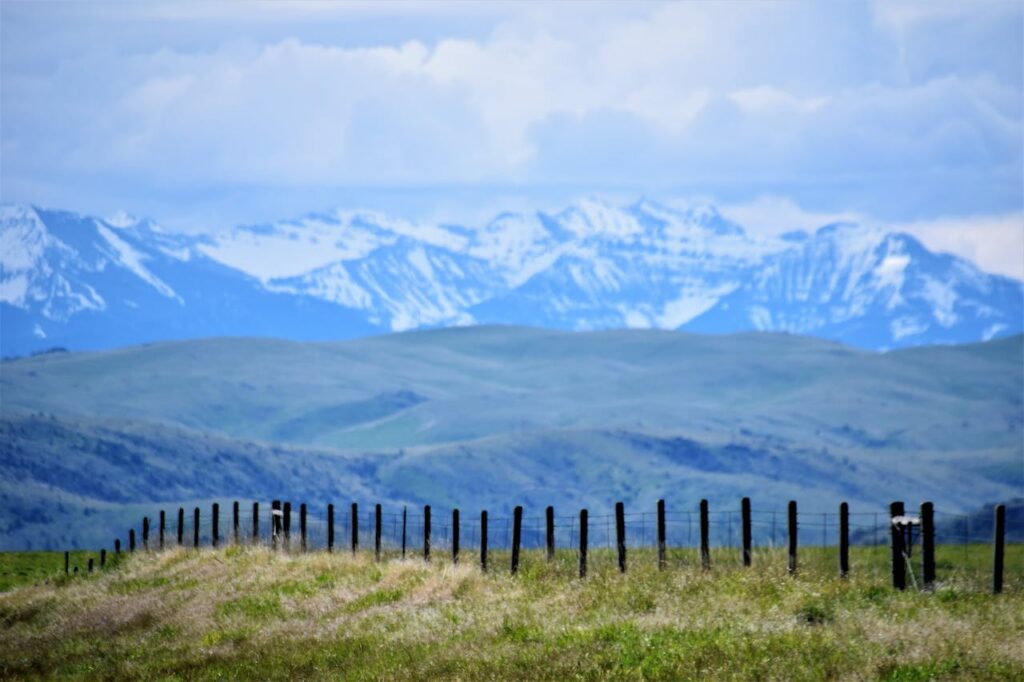
How to Get to Whitefish
Flying In
Glacier Park International Airport (FCA) is 15 minutes from downtown Whitefish. It is a small airport with direct flights from Denver, Seattle, Minneapolis, Salt Lake City, Dallas, Chicago, and a handful of seasonal routes. Summer has the most flight options. Winter has reliable service but fewer routes. Flights fill early for both seasons, so book at least 6-8 weeks out.
Alternative airports: Missoula (MIS) is about 2.5 hours south and sometimes has cheaper fares. Kalispell is the nearest city, and FCA technically sits between Kalispell and Whitefish.
Driving
Whitefish sits at the intersection of US-93 and MT-40. From Missoula, it is a straight shot north on US-93 (about 2.5 hours). From Spokane, about 4.5 hours east on I-90 to US-93. From Calgary, roughly 4 hours south through the border crossing at Roosville.
The drive from any direction is scenic. The stretch from Missoula north through the Flathead Reservation and along Flathead Lake is one of the better road drives in the state.
Getting Around Once You Arrive
You need a car. Full stop. Whitefish’s downtown is walkable, and the SNOW Bus runs a free shuttle to the ski resort in winter, but everything else requires driving. Glacier National Park is 30 minutes to the east entrance. Flathead Lake is 20-30 minutes south. Bigfork is 45 minutes. The valley is spread out, and ride-sharing is unreliable.
Rent a car at FCA or bring your own. In winter, make sure you have AWD or 4WD and actual snow tires or chains. Montana winter roads are not a suggestion.
Where to Stay
We wrote a complete breakdown of neighborhoods, hotels, vacation rentals, and budget tiers: Where to Stay in Whitefish. Here is the quick version.
Downtown Whitefish
The best location for first-timers. Walk to restaurants, bars, coffee shops, and the train depot. Lodging ranges from boutique hotels (The Firebrand is the standout) to vacation rentals. Premium pricing but you save on not needing to drive for dinner.
Whitefish Mountain Resort / Big Mountain
Ski-in/ski-out condos and lodges. Ideal for winter trips focused on skiing. Quieter in summer but the mountain has a bike park and scenic lift rides. Expect resort pricing in winter, deals in shoulder seasons.
Whitefish Lake
Vacation rentals and cabins along the lake. Best for summer when you want lake access. The Lodge at Whitefish Lake is the upscale option. Many VRBO and Airbnb properties here.
Columbia Falls / Highway 2 Corridor
The budget play. Columbia Falls is 15 minutes from Whitefish and sits on the road to Glacier. Chain hotels, lower nightly rates, and functional (if not charming) accommodations. Good option if you plan to spend most of your time in the park anyway.
Budget Expectations
- Summer peak (July-August): $200-400/night for a decent hotel, $250-600/night for a vacation rental
- Winter peak (Christmas, Presidents Day): $250-500/night ski-area lodging
- Shoulder seasons (September-October, April-May): $120-250/night, significant savings
Budget option (Columbia Falls chain hotel): $100-180/night year-round
What to Pack
Montana weather is not optional. It will dictate your trip more than any other variable. Pack for the season, but also pack for the season you do not expect.
Summer Packing List
- Layers. Mornings start in the 40s-50s, afternoons hit 80s. A light jacket or fleece is non-negotiable, even in July.
- Sun protection. Montana sun at elevation is aggressive. SPF 50, sunglasses, a hat. You will burn faster than you think.
- Bear spray. If you are hiking anywhere near Glacier or the backcountry. Buy it in town at Sportsman & Ski Haus or Rocky Mountain Outfitter rather than paying airport markup.
- Hiking boots with ankle support. Glacier trails are rocky and uneven. Trail runners work for easy paths but real boots are worth it for anything moderate or above.
- Swimsuit. Whitefish Lake, Flathead Lake, river swimming spots. You will want it.
- Bug spray. Mosquitoes near water in June and July are relentless.
Winter Packing List
- Base layers. Merino wool, not cotton. January mornings can be 0F or below.
- Insulated waterproof jacket and pants. Even if you are not skiing. Winter here means snow on the ground and more falling.
- Warm boots with traction. Sidewalks ice over. Fashion boots will betray you.
- Hand and toe warmers. For skiing and for standing outside at any event.
- Ski gear or plan to rent. Whitefish Mountain has rental shops, and several downtown shops rent gear at competitive rates.
Year-Round Essentials
- Reusable water bottle. Montana tap water is excellent. Stay hydrated at elevation.
- Cash. Some local businesses, especially farmers market vendors, are cash-only or cash-preferred.
Binoculars. For wildlife. Seriously. You will see elk, deer, eagles, and possibly bears without even trying.
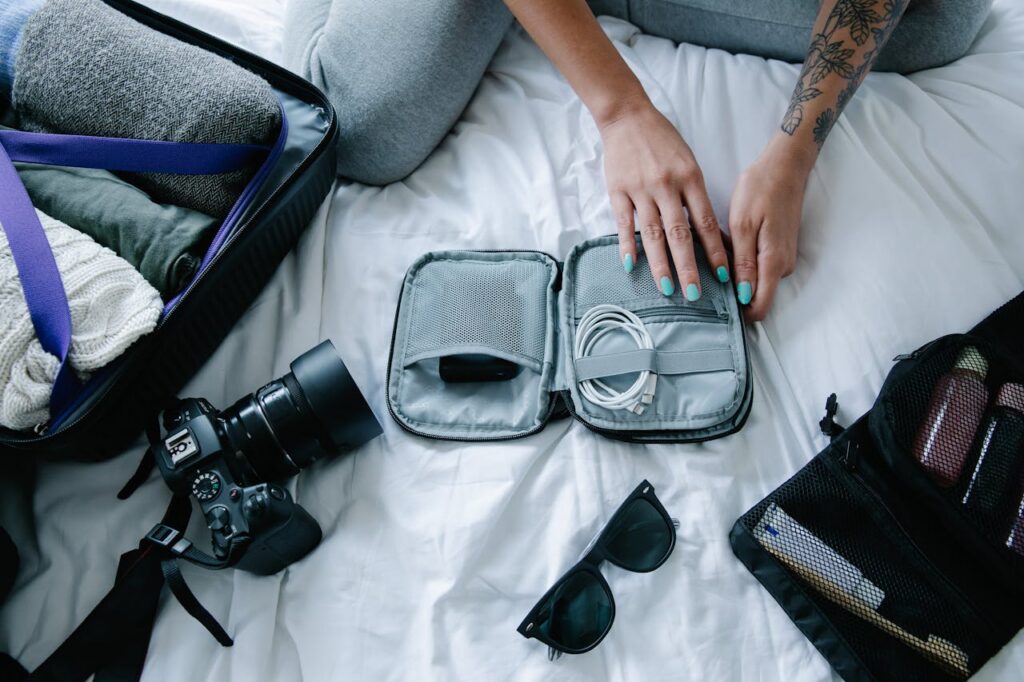
What to Pack
Montana weather is not optional. It will dictate your trip more than any other variable. Pack for the season, but also pack for the season you do not expect.
Summer Packing List
- Layers. Mornings start in the 40s-50s, afternoons hit 80s. A light jacket or fleece is non-negotiable, even in July.
- Sun protection. Montana sun at elevation is aggressive. SPF 50, sunglasses, a hat. You will burn faster than you think.
- Bear spray. If you are hiking anywhere near Glacier or the backcountry. Buy it in town at Sportsman & Ski Haus or Rocky Mountain Outfitter rather than paying airport markup.
- Hiking boots with ankle support. Glacier trails are rocky and uneven. Trail runners work for easy paths but real boots are worth it for anything moderate or above.
- Swimsuit. Whitefish Lake, Flathead Lake, river swimming spots. You will want it.
- Bug spray. Mosquitoes near water in June and July are relentless.
Winter Packing List
- Base layers. Merino wool, not cotton. January mornings can be 0F or below.
- Insulated waterproof jacket and pants. Even if you are not skiing. Winter here means snow on the ground and more falling.
- Warm boots with traction. Sidewalks ice over. Fashion boots will betray you.
- Hand and toe warmers. For skiing and for standing outside at any event.
- Ski gear or plan to rent. Whitefish Mountain has rental shops, and several downtown shops rent gear at competitive rates.
Year-Round Essentials
- Reusable water bottle. Montana tap water is excellent. Stay hydrated at elevation.
- Cash. Some local businesses, especially farmers market vendors, are cash-only or cash-preferred.
- Binoculars. For wildlife. Seriously. You will see elk, deer, eagles, and possibly bears without even trying.
How Much Does a Whitefish Trip Cost?
This depends heavily on your style and season. Here is a realistic breakdown for two people over five days.
Mid-Range Summer Trip (5 Days, 2 People)
- Lodging: $1,200-1,800 (vacation rental or mid-tier hotel)
- Rental car: $250-400
- Food and drink: $500-800 (mix of restaurants and grocery runs)
- Activities: $100-300 (Glacier vehicle reservation is free but limited, boat rentals $80-150, guided fishing $400+)
- Total: $2,050-3,300
Ski Trip (5 Days, 2 People)
- Lodging: $1,500-2,500 (slope-side or downtown)
- Lift tickets: $500-800 (buy in advance online for better rates, or look at multi-day packages)
- Rental car: $250-400
- Food and drink: $500-800
- Gear rental (if needed): $200-350
- Total: $2,950-4,850
Budget Trip (5 Days, 2 People)
- Lodging: $600-900 (Columbia Falls hotel or off-season rental)
- Rental car: $200-300
- Food and drink: $300-500 (cook most meals, eat out 2-3 times)
- Activities: $50-150 (hiking is free, Glacier entry is $35/vehicle)
- Total: $1,150-1,850
Mistakes We See First-Timers Make
These come up constantly. Avoid them and your trip improves immediately.
- Treating Whitefish as a Glacier layover. Give Whitefish at least two full days on its own. The town and surrounding valley have enough to fill a week without touching the park.
- Not booking Glacier vehicle reservations. In summer, you need a timed reservation to enter the Going-to-the-Sun Road corridor between 6am and 3pm. These sell out weeks in advance. If you miss the window, you can enter before 6am or after 3pm, but the popular trailhead parking lots will still be full.
- Underestimating distances. The valley is spread out. Bigfork is 45 minutes from Whitefish. The east side of Glacier is 2+ hours. Plan your days geographically.
- Packing too light for weather swings. A sunny 80F afternoon can become a 50F thunderstorm in two hours. Mountain weather changes fast.
- Skipping restaurant reservations in summer. The best restaurants fill up. In July and August, book dinner reservations 2-3 days ahead. Cafe Kandahar, Tupelo Grille, and Whitefish Lake Restaurant all require planning.
Driving to Glacier without gas. Fill up in Whitefish or Columbia Falls. There are no gas stations inside the park.
Mistakes We See First-Timers Make
These come up constantly. Avoid them and your trip improves immediately.
- Treating Whitefish as a Glacier layover. Give Whitefish at least two full days on its own. The town and surrounding valley have enough to fill a week without touching the park.
- Not booking Glacier vehicle reservations. In summer, you need a timed reservation to enter the Going-to-the-Sun Road corridor between 6am and 3pm. These sell out weeks in advance. If you miss the window, you can enter before 6am or after 3pm, but the popular trailhead parking lots will still be full.
- Underestimating distances. The valley is spread out. Bigfork is 45 minutes from Whitefish. The east side of Glacier is 2+ hours. Plan your days geographically.
- Packing too light for weather swings. A sunny 80F afternoon can become a 50F thunderstorm in two hours. Mountain weather changes fast.
- Skipping restaurant reservations in summer. The best restaurants fill up. In July and August, book dinner reservations 2-3 days ahead. Cafe Kandahar, Tupelo Grille, and Whitefish Lake Restaurant all require planning.
- Driving to Glacier without gas. Fill up in Whitefish or Columbia Falls. There are no gas stations inside the park.
Sample Itinerary: 5-Day Summer Trip
This is a starting framework. Adjust based on your interests.
- Day 1: Arrive, check in, explore downtown Whitefish on foot. Dinner at a downtown restaurant. Easy evening walk along the Whitefish Trail.
- Day 2: Full day in Glacier National Park. Drive Going-to-the-Sun Road. Hike Highline Trail or Avalanche Lake (depending on fitness). Pack lunch. Leave early (before 6am or use reservation).
- Day 3: Whitefish Lake morning (kayak, paddleboard, or beach). Afternoon visit to downtown shops and galleries. Dinner in town.
- Day 4: Drive to Bigfork and Flathead Lake. Lunch in Bigfork. Afternoon at Wayfarers State Park or a lake beach. Drive back through the cherry orchards on the east shore.
- Day 5: Sleep in. Brunch downtown. Last-minute souvenir shopping or a short hike on the Whitefish Trail. Depart.
For winter itineraries, see our Ski Whitefish guide. For more activity ideas, check Things to Do in Whitefish.
Insider Tips That Save You Time and Money
- Grocery shop at Super 1 Foods or Whitefish IGA rather than eating every meal out. A vacation rental with a kitchen cuts food costs by 40%.
- Buy bear spray in town, not at the park. Sportsman & Ski Haus on Spokane Ave has the best prices.
- Use the SNOW Bus in winter. Free shuttle between downtown and the mountain. No parking headaches, no icy mountain road driving.
- Go to Glacier early or late. The hours between 6am-8am and 5pm-8pm are magic. Fewer people, better light, better wildlife sighting odds.
- Check local event calendars. Whitefish has events nearly every weekend in summer: farmers market, gallery nights, live music at Great Northern Bar. These are the experiences that separate a good trip from a great one.
- Do not skip the coffee. Montana Coffee Traders downtown is the local institution. Get there before 8am on weekends or you are waiting.
Start Planning
Whitefish rewards planning but does not punish spontaneity. Get your lodging and Glacier logistics locked down, then leave room for the unplanned stuff: the local who tells you about a trailhead that is not on AllTrails, the restaurant you stumble into because the patio looked good, the sunset over Whitefish Lake that stops you mid-conversation.
That is what keeps us coming back. And it is what this entire site is built to help you find.
Browse our guides: Where to Eat | Things to Do | Glacier National Park | Ski Whitefish