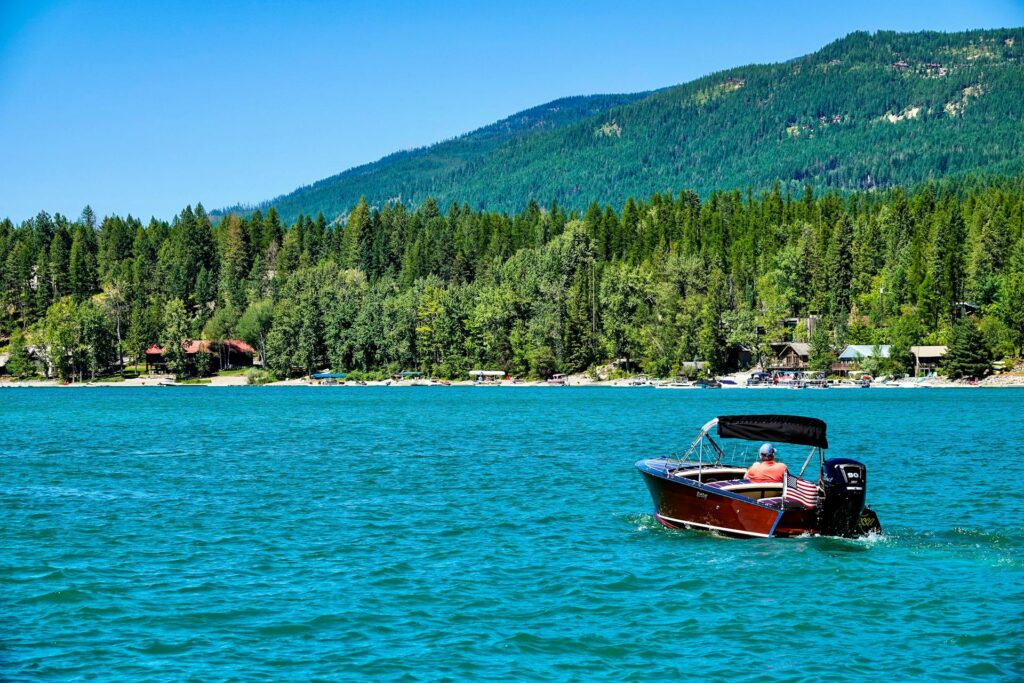
Summer is when Whitefish transforms from a quiet mountain town into a destination that delivers genuine mountain recreation. The season runs roughly July through August, with shoulder months (June and September) offering fewer crowds and equally good weather. Water warms, trails dry out, and the calendar fills with outdoor activities, local festivals, and day trips to nearby Glacier National Park.
I visit Whitefish during summer months and experience the full range of what the town offers: early morning lake paddles, full-day hiking expeditions, lunch on downtown patios, and evenings watching fireflies from a cabin porch. This guide covers the activities that actually matter and the logistics that make them work.
Water Activities (Best June Through September)
Lake Swimming and Paddling
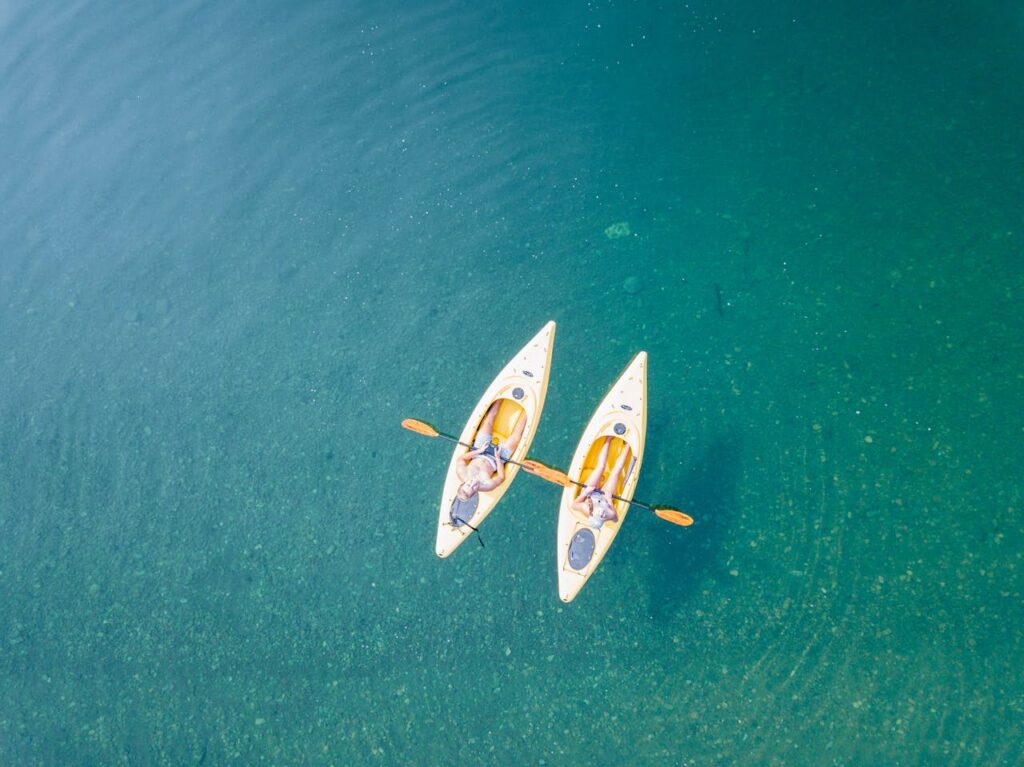
Whitefish Lake is the summer social hub. Water temperatures peak in late July and August, reaching upper 60s and low 70s Fahrenheit. Paddleboarding and kayaking are popular in early mornings before afternoon wind creates chop. The lake is cold enough to require a wetsuit for extended swimming, but brief swims are refreshing on warm days.
[INTERNAL LINK: Whitefish Lake: Swimming, Paddling, and Everything You Need to Know] covers all details about water access, rental options, and seasonal conditions. Start this activity early in the day; afternoon weather changes rapidly and makes water conditions less pleasant. Expect $25-35 per hour for paddleboard rentals or $60-80 for a full day.
Whitefish River and Creek Activities
The Whitefish River runs through downtown and offers easier water access than the lake. Floating the river (tubing or wading) is a casual summer option that doesn’t require early mornings or expensive rentals. Local outfitters offer tube rentals and shuttle services for roughly $25-40 per person.
The river is cold and fast; respect it. Wear a PFD and avoid floating alone. The float is 4-8 miles depending on which section you choose, taking 1-2 hours. This is a low-commitment afternoon activity, unlike paddling the lake which requires planning and expertise.
Fishing Options
The Whitefish area supports fly-fishing for cutthroat trout and lake trout. Spring Creek, a nearby tributary, is a famous fly-fishing destination. A Montana fishing license is required; guides are available if you’ve never fly-fished. Full-day guided trips run $300-500 per angler. Self-guided fishing is free after purchasing a license (roughly $10-20 daily, $85 annual).
Summer fishing is slower than spring and fall due to warm water pushing trout deeper. Early morning or evening sessions are best. Wade fishing requires waders and is more productive than bank fishing.
Hiking and Trail Running
Easy to Moderate Day Hikes
Whitefish has numerous trails that open by mid-July. The Whitefish Trail lakeside walk (3.3 miles) is the most accessible option. More serious hikers tackle Lion Mountain (7.5 miles round trip, 2,200 feet of gain) or Glacier Lake (9 miles round trip, 1,800 feet of gain). All three hikes deliver scenic payoffs without requiring technical skills.
Best Hikes Near Whitefish, Montana (All Skill Levels)] provides complete trail guides, including trailhead access, water sources, and parking logistics. Most hikes are best done early (start by 7 or 8 a.m.) to avoid afternoon thunderstorms common in July and August. Snow lingers on high elevation trails until late July; check conditions before planning ambitious routes.
Trail Running and Bike Trails
The Whitefish Trail serves dual purposes as a hiking and running route. Trail runners often warm up with a 3-5 mile run on this well-maintained path. Mountain biking is popular on forest service roads near Whitefish Mountain. Bike rentals are available at local shops; 2-3 hours of cross-country or downhill biking runs $30-50.
Summer is prime time for these activities. Early mornings are cool and wind-free, making running and biking more enjoyable. Weekend trail conditions are variable, so weekday adventures often have better footing.
Glacier National Park Day Trips
Glacier National Park sits 30-40 minutes northeast of Whitefish. Full-day trips to the Many Glacier area or Sun Road offer dramatic alpine scenery and hiking opportunities that exceed local Whitefish trails. Popular hikes include Cracker Lake (10 miles round trip) and Mount Jackson (10 miles round trip), both with exceptional views.
Park entrance fees are $35 per vehicle (valid for 7 days). Parking is chaotic in peak season; arrive by 8 a.m. or plan to hike from alternate trailheads. A trip report (timeframe, weather, recent hazards) is essential before Glacier adventures. Grizzly bears live here; carry bear spray and hike in groups.
Downtown and Town-Based Activities
Dining and Breweries
Whitefish has developed a strong dining scene. Central Avenue (the main street) has restaurants ranging from casual to upscale. Popular spots include local breweries, pizza joints, and farm-to-table options. Patio seating is available at many restaurants, making outdoor dining standard in summer.
The Whitefish Brewing Company and Montana Rib & Chop House draw crowds. Reservations are essential for dinner on weekends. Lunch service is less busy and offers shorter waits. Budget $15-30 per person for casual meals, $40-80 for nicer restaurants.
Shopping and Art Galleries
Downtown Whitefish has local shops, art galleries, and outdoor retailers. The Whitefish Gallery and several smaller galleries showcase local artists. Outdoor retailers sell hiking, fishing, and paddling gear. Shopping is a low-key activity; expect to spend 1-2 hours browsing without time pressure.
Summer Festivals and Events
Whitefish hosts numerous summer events. The Whitefish Lake Festival (typically early August) features live music, food vendors, and community activities. The Northwest Montana Fair (August) includes livestock shows, carnival rides, and local culture. These events run 1-3 days and draw crowds.
Check the Whitefish Chamber of Commerce calendar for current events. Festival crowds are manageable compared to major metro areas; you won’t feel overwhelmed. Entry fees vary; some events are free, others charge $5-15.
Mountain and Scenic Activities
Whitefish Mountain Resort (Summer Operations)
The ski resort operates chairlifts in summer for scenic rides and mountain biking access. A single chairlift ride is $12-18; full-day passes allow unlimited riding. The resort hosts mountain biking events and concerts in summer. The terrain offers panoramic views of the surrounding valleys and peaks.
This activity is low-exertion and suitable for all fitness levels. Plan 1-2 hours for a chairlift experience. Weather dependent; afternoon clouds and wind make the ride less enjoyable. Go early for best visibility.
Scenic Drives
Highway 83 north of Whitefish follows the Mission Mountains and offers excellent scenic driving. The route to Glacier National Park (Highway 2 east) is similarly beautiful. Swan Lake is 45 minutes south, a worthy day trip for scenic views and fishing. These drives are fuel-intensive but straightforward.
Budget 2-4 hours for scenic driving plus stops for photos and lunch. This is an option for rainy days when outdoor recreation is less appealing.
Family Activities and Kids-Friendly Options
Whitefish City Beach and Lake Access
City Beach has lifeguards on weekends, picnic areas, and shallow water entry points. Families with young children find this ideal. Water is cold (upper 60s in peak summer), but brief swims are typical. Changing facilities and restrooms are available. Free parking, no entrance fee.
Paddleboard and kayak rentals welcome children; weight limits apply. A 4-5 hour beach and paddling session is doable with proper sun protection and hydration.
Easy Hiking with Kids
The Whitefish Trail to Fisher Bay (3.3 miles) is family-friendly with minimal elevation gain. Danny On Trail (2 miles, steep) is manageable for fit kids aged 8+. Both trails offer rest spots and views that hold children’s interest. Bring snacks and plenty of water.
Start by 8 or 9 a.m. to finish before midday heat and afternoon storms. Allow extra time; kids move slower and stop more frequently than adults.
Wildlife Watching
Early morning drives on quiet roads often yield wildlife sightings: osprey and eagles near the lake, mule deer in forests, and occasional moose in wetland areas. Bring binoculars and a wildlife guidebook. This activity is free and accessible to all ages and fitness levels.
Timing matters; early morning (6-8 a.m.) is prime time. Mid-day wildlife is less active.
Logistics and Trip Planning
Best Weeks to Visit
Mid-July through mid-August offers warmest water, most available outfitter services, and peak mountain accessibility. Trails are fully open, ski lifts are running, and most establishments have extended hours. This is peak season; crowds and prices are highest.
Early June and late September offer pleasant weather, fewer crowds, but colder water (low 60s) and less reliable outfitter staffing. Early morning mountain air in September is exceptional. Consider these shoulder seasons if you dislike crowds.
Accommodation Options
Whitefish has hotels, Airbnbs, vacation rentals, and cabins. Downtown hotels offer walkable dining and shopping. Cabins provide lake access and quieter settings. Booking 2-4 weeks in advance is recommended for summer travel. Peak weekend rates are 2-3x higher than shoulder seasons.
Budget $100-300+ per night for accommodation depending on season and amenities. Camping is available at nearby Forest Service and private campgrounds if you prefer lower cost.
Weather and What to Pack
Summer weather is typically warm and dry, 75-85 degrees during day, 45-55 degrees at night. Afternoon thunderstorms are common in July and August but usually brief. Bring layers: warm for daytime, a fleece or light jacket for evenings. Waterproof jacket for sudden rain.
Sun protection is essential: sunscreen, hat, and sunglasses. Mountain sun is intense at elevation. Hiking boots, casual shoes, and possibly water shoes cover most needs. Don’t overpack; two pairs of shorts and three shirts suffice for a week.
Transportation and Parking
Renting a car is recommended. Whitefish is not walkable for accessing trailheads and outdoor activities. Ride-sharing services are limited. Street parking downtown is free and available. Trailhead parking is free and varies by location (abundant at popular spots, limited at remote access points).
Driving times from downtown Whitefish to activity areas: City Beach 5 minutes, Lion Mountain 20 minutes, Glacier Lake 25 minutes, Glacier National Park 35-40 minutes. Budget drive time accordingly when planning your day.
Summer-Specific Practical Advice
Early Morning Strategy
All outdoor activities are better in early morning. Water is calmest, temperatures are coolest, crowds are lightest, and you avoid afternoon thunderstorms. The discipline of a 6-7 a.m. start transforms your Whitefish summer experience. Accept early mornings as non-negotiable.
Food and Hydration
The altitude (3,000+ feet) and physical activity increase caloric and water needs. Drink more water than you think you need, especially on hiking days. Pack snacks; mountain exertion combined with elevation burns calories quickly.
Downtown restaurants are plentiful but require waits in peak season. Packing picnic lunches for trail days is efficient and often more enjoyable than restaurant timing. Grocery stores in downtown have prepared foods and lunch options.
Sun Protection and Altitude Adjustment
Mountain sun is intense due to elevation and reflective surfaces (water, snow at high elevation). Apply sunscreen every 2 hours, wear a hat and sunglasses, and seek shade during peak sun (11 a.m. to 3 p.m.). Sunburns happen fast; plan accordingly.
Altitude adjustment takes 24 hours. Drink water, take easy days your first day, and avoid hard exertion on arrival. Headaches and fatigue are common first day symptoms; they resolve quickly. Acclimatization becomes complete within 2-3 days.
Activity Priority Framework
One-Day Visit
Focus on City Beach and downtown: a morning swim or paddle (2 hours), lunch downtown, afternoon stroll through galleries and shops. Simple, low-commitment, captures the Whitefish essence.
Three-Day Visit
Day 1: Whitefish Lake and downtown. Day 2: Full-day hiking (Lion Mountain or Glacier Lake). Day 3: Glacier National Park day trip or rest day with easy activities. This covers water, hiking, and scenery comprehensively.
Week-Long Visit
Combine lake activities (3 days), hiking expeditions (2 days), Glacier National Park (1-2 days), downtime for rest and town exploration. A week allows you to experience Whitefish fully without rushing. You can repeat favorite activities and rest days don’t feel wasted.
FAQ Section
Q: What’s the single best activity in Whitefish summer?
A: Early morning paddleboarding on Whitefish Lake. The experience combines water access, scenic views, manageable physical exertion, and consistent availability. Start by 7 a.m., paddle for 1-2 hours, and enjoy the day. It’s that good.
Q: How cold is the water really, and can I swim without a wetsuit?
A: Water reaches upper 60s to low 70s Fahrenheit in peak summer (late July/August). Brief swims (20-30 minutes) are doable without a wetsuit, but you’ll feel cold throughout. Wetsuits extend your time significantly. The cold is part of the experience, not a barrier.
Q: When do afternoon storms arrive, and should I be worried?
A: Afternoon storms are common in July and August, typically arriving between 2-4 p.m. They’re usually brief (15-30 minutes) but intense. Get off the water and high exposed areas by 1 p.m. Planning all water activities for mornings (ending by noon) solves this issue entirely.
Q: Can I do these activities if I’m not super fit?
A: Yes. Whitefish Trail and City Beach require minimal fitness. Lake paddling is low-exertion. Even moderate hikes like Lion Mountain summit are achievable for people with basic conditioning if you’re willing to move slow and take rest breaks. Glacier National Park hikes are more demanding but doable with a slower pace.
Q: Is Whitefish busy in summer, or is it still a quiet town?
A: It’s busier than off-season but not crowded compared to major resorts. Early July and late August are quieter than mid-July through mid-August. Weekdays are always quieter than weekends. You’ll encounter other visitors but not feel overwhelmed. Restaurants and attractions do require planning (reservations, arriving early).
Final Thoughts
Whitefish in summer is genuine mountain recreation without corporate polish. The town offers hiking, water sports, dining, and scenery that rival larger destinations, with the advantage of being accessible and manageable in scope.
The key to a great Whitefish summer is respecting the mountain: start early, plan around weather, bring proper gear, and accept that cold water and short hikes matter more than ambitious distance goals. A morning paddle, a good lunch, and an early evening followed by sunset views delivers more satisfaction than an over-scheduled day trying to do everything.
Spend time on the water, hike to a view, eat somewhere with a patio, and be off the mountain by early evening. This is what Whitefish summers are about.